Free Consultation Today
Current Clients
Free Consultation Today
Current Clients
Greenwise Financial Solutions provides professional credit card consolidation services, using a customized plan to simplify your payments, attack high-interest rates to help you pay off debt faster.
Get your FREE
Quote Today
By providing your information, you agree to Greenwise Financial Solution’s terms of use and privacy policy.



Credit card consolidation is a financial strategy designed to help individuals simplify multiple credit card balances into a single, structured repayment plan. Instead of managing several accounts with different interest rates and due dates, consolidation allows borrowers to focus on one organized payment each month. This approach can make financial management easier and may help individuals gain better control over their debt.
Many people accumulate credit card debt across multiple accounts over time. Each card may have its own minimum payment, interest rate, and billing cycle, which can quickly become difficult to manage. Credit card consolidation focuses on organizing those balances into a single repayment structure that reduces confusion and improves financial clarity.
The primary goal of consolidation is to simplify debt management and potentially reduce interest costs. When balances are consolidated, individuals may be able to replace multiple high-interest credit card accounts with a single payment plan that offers more predictable repayment terms.
At Greenwise Financial Solutions, credit card consolidation services are designed to help individuals regain financial control through structured repayment solutions tailored to their specific financial situation.
Credit card consolidation can be beneficial for individuals who are managing several credit card balances and finding it difficult to keep up with multiple payments. Many people reach a point where managing numerous accounts becomes stressful and financially overwhelming.
This type of financial solution may be helpful for individuals who:
Carry balances on several credit cards
Have difficulty keeping track of multiple payment due dates
Are dealing with high interest rates across different cards
Want a clearer and more organized repayment plan
Are looking for a long-term strategy to manage credit card debt
Individuals who consistently make payments but struggle to reduce their balances due to interest charges may also benefit from consolidation strategies. Credit card interest rates can be significantly higher than many other forms of consumer credit, which means balances can grow quickly if payments only cover the minimum amount due.
By consolidating these balances into one structured repayment program, individuals may be able to create a clearer path toward reducing their overall debt.

Credit card consolidation is the process of combining several credit card balances into a single repayment method. This can be achieved through different financial tools such as personal loans, balance transfer credit cards, or structured debt consolidation programs.
For example, if a person owes money on several credit cards, consolidation may allow those balances to be paid off using a single loan or repayment program. Instead of making payments to multiple creditors, the borrower focuses on repaying one consolidated balance.
One of the major advantages of this approach is simplicity. Managing one payment can be much easier than tracking several accounts, especially when each card has different interest rates and billing cycles.
Additionally, depending on the consolidation method used, borrowers may be able to secure lower interest rates compared to those typically associated with credit cards. Lower interest rates can allow more of each payment to go toward reducing the principal balance rather than covering interest charges.
However, the best consolidation option varies depending on an individual’s financial situation, credit profile, and long-term financial goals.
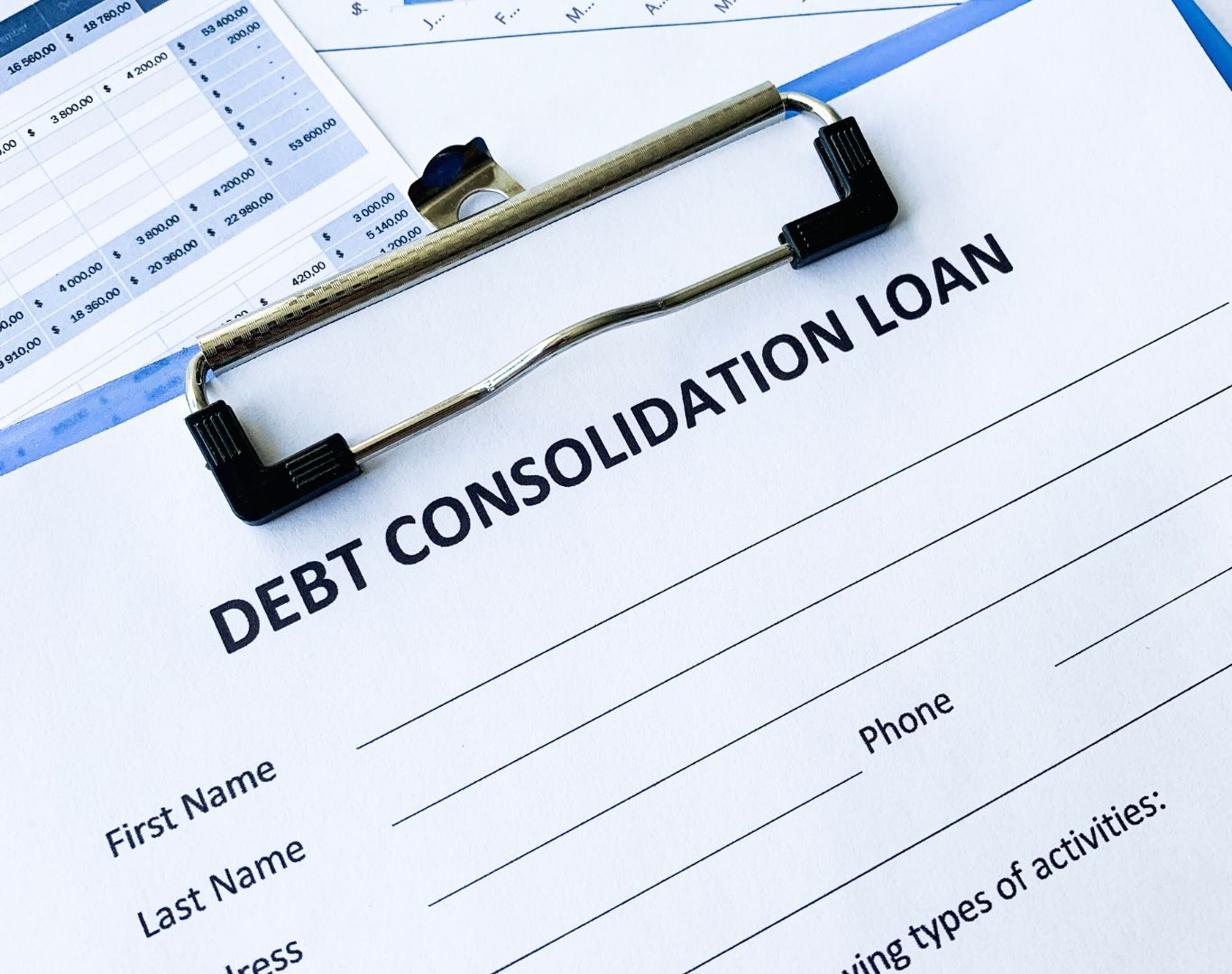
The cost of credit card consolidation varies depending on the method used and the financial institution providing the service. Some consolidation strategies involve interest rates, service fees, or balance transfer charges.
For example, balance transfer credit cards may charge a transfer fee, typically a percentage of the balance being moved. Personal loans used for consolidation may include origination fees or interest charges depending on the loan terms.
Even though consolidation can involve costs, the goal is often to reduce the overall financial burden of debt. In many situations, replacing high-interest credit card balances with a lower-interest repayment option may help individuals pay off debt faster.
It is important for individuals to fully understand the terms of any consolidation strategy before committing to a program. Transparent financial guidance helps ensure borrowers clearly understand how payments, interest rates, and potential fees may affect their repayment plan.
The credit card consolidation process typically begins with a financial evaluation. During this step, financial professionals review an individual’s credit card balances, monthly income, expenses, and overall financial obligations. This assessment helps determine the most suitable consolidation strategy.
After evaluating the financial situation, a consolidation plan is created. Depending on the chosen method, the process may involve taking out a personal loan, transferring balances to another credit account, or enrolling in a structured consolidation program.
Once the consolidation plan is established, existing credit card balances are paid off or reorganized into a single repayment structure. This leaves the individual with one consolidated payment instead of multiple credit card payments.
Common consolidation methods include:
After consolidation, the borrower focuses on repaying the new structured balance over time according to the agreed payment terms.
While credit card consolidation can offer financial benefits, it is important to understand that it is not a one-size-fits-all solution. Certain risks and considerations should be evaluated before choosing a consolidation strategy.
One potential consideration is the impact on credit scores. Opening a new loan or credit account may temporarily affect a credit score due to credit inquiries or changes to the average age of accounts. However, consistent repayment over time may improve credit health.
Another risk involves the possibility of accumulating new credit card balances after consolidation. If spending habits do not change, individuals may end up carrying both the consolidated loan and new credit card debt.
Some consolidation options may also include fees or promotional interest rates that expire after a certain period. For example, balance transfer credit cards often offer introductory low-interest rates that increase after the promotional period ends.
Because of these considerations, it is important to carefully evaluate all options and work with experienced professionals who can provide guidance throughout the process.
Debt consolidation and financial relief services are subject to different regulations depending on the state where the borrower resides. These regulations are designed to protect consumers and ensure financial service providers operate responsibly.
For example:
Florida: Financial service providers must comply with consumer protection laws related to debt relief and financial transparency.
New York: Debt assistance services are regulated under strict financial service guidelines designed to protect borrowers.
Texas: Debt consolidation services must comply with Credit Services Organization regulations governing financial service providers.
California: Financial service providers offering debt relief or consolidation programs must follow licensing and consumer protection requirements.
Because state regulations can vary, it is important for individuals to work with reputable financial professionals who understand the legal requirements in each state.
Credit card consolidation is the process of combining multiple credit card balances into one structured repayment plan, making debt easier to manage.
Consolidation does not automatically reduce the amount owed, but it may simplify payments and potentially reduce interest costs depending on the repayment method.
Many factors affect your credit score. The benefit of credit card consolidation is to get you debt free.
Most unsecured credit card debt can be consolidated, including major credit card balances, retail store cards, and gas cards.
The length of the debt relief process varies based on the amount of debt, savings and length of program. Most plans take 24-48 months to complete in full, but many experience personal savings of funds being paid towards credit cards in month 1.
No. Debt consolidation focuses on combining balances into one repayment plan, while settlement typically involves negotiating reduced balances with creditors.
